Introduction to Body Systems
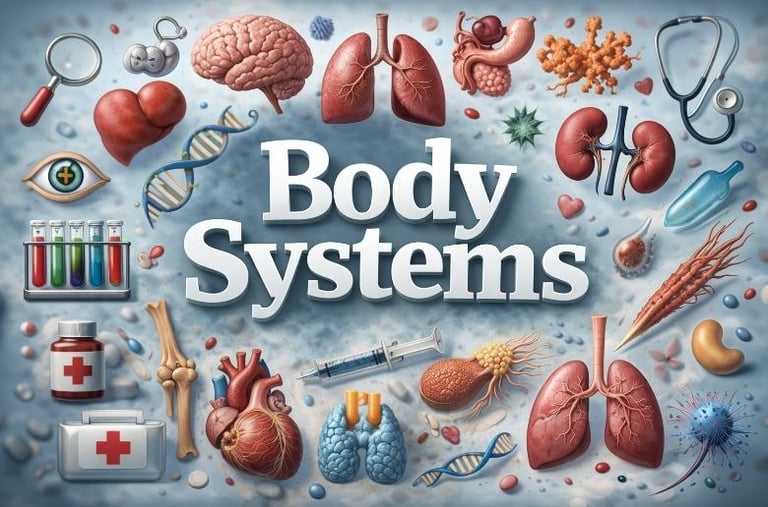
A body system is a combination of organs and all the other structures related to them that perform certain functions, all of which are very important to survival. All systems are distinct in their functions yet all systems should work optimally to maintain the body stable, balanced, and functioning well.
A body system is a combination of organs and all the other structures related to them that perform certain functions, all of which are very important to survival. All systems are distinct in their functions yet all systems should work optimally to maintain the body stable, balanced, and functioning well.
Main Body Systems
The human body has 11 major organ systems, all of which are listed below:
Integumentary System
Skeletal System
Muscular System
Nervous System
Endocrine System
Cardiovascular System
Lymphatic/Immune System
Respiratory System
Digestive System
Urinary System
Reproductive System
As each of the system has its own unique role on the body, now, we will get into details of all these systems:
1. Integumentary System
The integumentary system includes the skin, hair, and nails. Its major role is to act as the body’s first line of defense, protecting internal organs from injury, germs, and harmful environmental conditions.
It also helps regulate body temperature, prevents dehydration, and allows the body to sense pressure, pain, and temperature through specialized receptors.
2. Skeletal System
The skeletal system is the one that provides the body with its shape and structure, and the support. It protects vital organs such as the brain, heart and lungs by covering them with bones.
This system also works together with the muscular system to enable movement and stores the required minerals like calcium and phosphorus. Bone marrow located in certain bones is involved in the production of blood cells.
3. Muscular System
The muscular system's main role is to enable the mobility by helping in contracting and relaxing the muscle fibers. It consists of skeletal muscles that are used to move the body voluntarily, smooth muscles that are present in organs and cardiac muscle in the heart.
In addition to movement, muscles are used to hold the body in position, stabilize the joints and generate heat to keep the body warm during the activity.
4. Nervous System
All the activities that take place in the body are coordinated and controlled by the nervous system through the transmission of electrical signals all over the body. It interprets the environmental information and determines the way the body should react.
Thinking, memory, emotions and reflexes are also related to this system. It maintains the body in good operation by balancing the key body functions such as breathing and heart rate.
5. Endocrine System
Endocrine system releases hormones to the blood to regulate long term activities such as growth, metabolism and reproduction. Some examples of endocrine glands are thyroid, pancreatic and adrenal glands; all of which are important.
These hormones assist in keeping the body in balance, can affect mood, and ensures all the organs are working at the right rate.
6. Cardiovascular System
The cardiovascular system is important for constant supply of blood to all the tissues in our body. It's primary organ is heart, along with blood vessels that carry oxygen, nutrients, hormones and waste products around the body.
It is also useful in controlling body temperature and the immune system by circulating the white blood cells and antibodies.
7. Lymphatic/Immune System
The lymphatic system drains the surplus fluid in tissues and drains it back into the blood to avoid swelling. It also filters pathogens protecting the whole system, with the help of lymph nodes.
The immune component protects the body against infections, viruses and foreign substances. It recognizes the bad microorganisms and kills them to maintain the body in good health.
8. Respiratory System
The respiratory system functions by exchanging gases; breathing in oxygen and breathing out carbon dioxide. The organs involved to complete the process of inhalation and exhalation are lungs, trachea, and diaphragm.
It ensures that the bloodstream is supplied with oxygen, which is vital in the generation of energy in cells. It also assists in controlling the pH of blood.
9. Digestive System
The digestive system breaks down food into simpler nutrients which the body is able to absorb and use them to produce energy, growth and repair. The stomach, liver and intestines are some of the organs that collaborate to accomplish this process.
It also eliminates waste through the large intestine and helps maintain water balance by absorbing fluids.
10. Urinary System
The urinary system is a part of the excretory system, it removes waste products and excess substances from the bloodstream through urine. The kidneys are primary organ, where impure blood from throughout the body is brought for filtration blood. The process is important in maintaining proper levels of water, salts, and minerals.
This system is also involved in regulating blood pressure and ensures the chemical balance necessary for all cells to function properly.
11. Reproductive System
The reproductive system in our body enables us to create of new life. In females, it involves all the organs that produces eggs, supports pregnancy, and nourishes a developing fetus. In males, the organs of the system produces sperm and delivers it for fertilization.
This system influences all the secondary sexual characteristics in both makes and females and is guided by hormones that regulate reproductive cycles and development.